
Float equipment
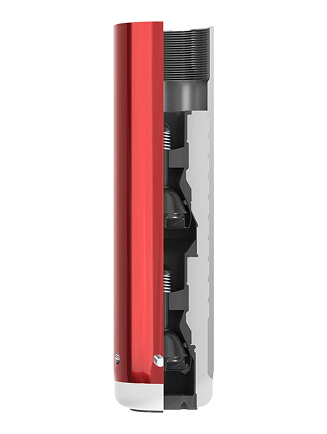
Super Seal II®

Super Seal II®
Super Seal II® float equipment is designed to perform reliably under the most severe downhole conditions and can be customized to specific requirements . Super Seal II valves can withstand a wide spectrum of wellbore environments.
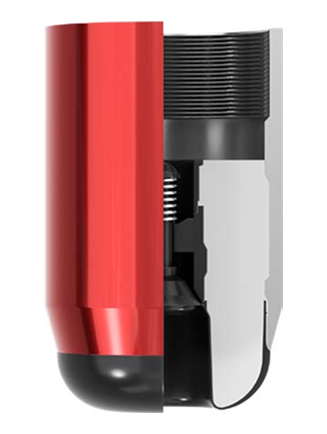
Trophy Seal®
Trophy Seal®
Built upon the proven quality of the Super Seal II® float equipment line, Trophy Seal® float shoes and collars are engineered to perform within a specific range of low temperatures and pressure, use API threading, and can meet non-critical and shallow well needs.
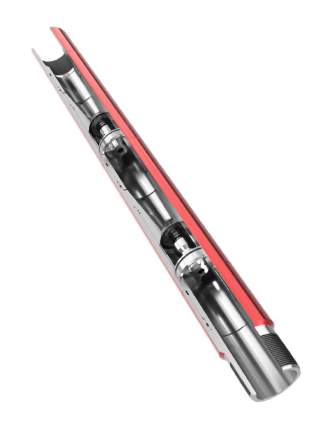
GasVault™
GasVault™
This gas tight float equipment is qualified as a true barrier to hydrocarbons, a crucial benefit for unconventional plays economic feasibility. The GasVault™ float valve is an improved float equipment barrier that allows operators with a wet- shoe track to safely rig-down drilling equipment and efficiently move to the next pad as soon as the cement job is complete.
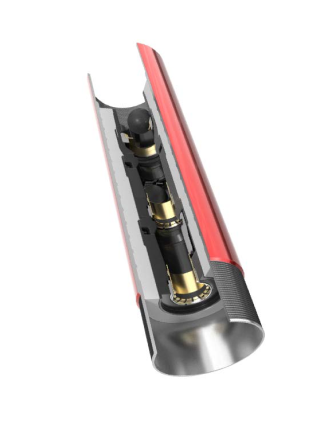
SuperFill™ systems
SuperFill™ systems
Running casing in the well at an operationally efficient speed without resulting surge pressure damaging the formation is a long-standing challenge within the oil and gas industry. Hours of rig time are consumed manually filling the casing from the surface or running in with reduced running speeds.
Cementing plugs
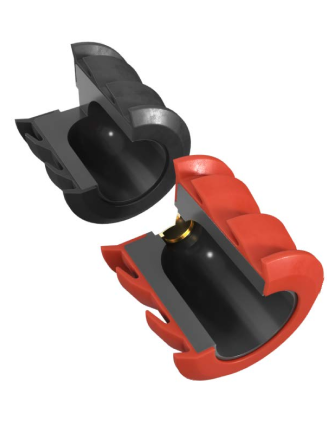
HWE® high wiping efficiency cementing plugs
HWE® high wiping efficiency cementing plugs
HWE® top and bottom cementing plugs are designed to help improve wiping efficiency during cementing operations. Wipers of HWE plugs are of deep-cup design, which provides greater wiping efficiency to remove mud film, rust, and mill scale.
SSR-II™ subsurface release cementing plug systems
SSR-II™ subsurface release cementing plug systems
The SSR-II™ plug system is a step change in design for improved drillability of subsurface release cementing plug systems using PDC bits. This second generation plug system consists of composite inner mandrels and release mechanisms, another first for the industry.
Centralizers
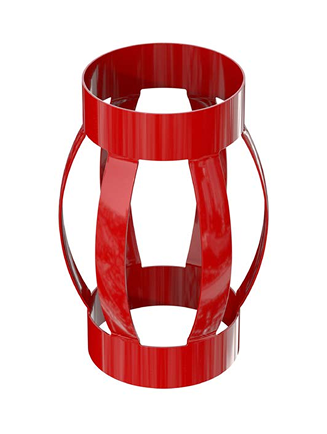
Single piece centralizer
Single piece centralizer
Ideal for both onshore and offshore for vertical, deviated, and horizontal sections during challenging operations. Robust, single piece, non-welded bow spring design can withstand heavy loads while running casing. Designed with a near gauge OD to help reduce insertion and running forces while RIH and minimizing flow restrictions and ECDs Exceeds API 10D standards to help ensure the best possible performance and quality

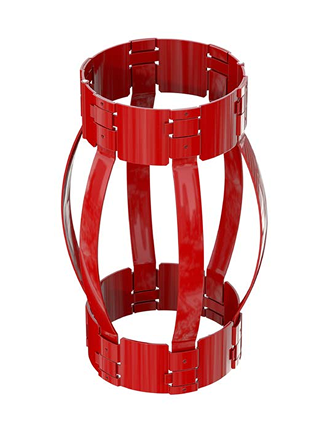
Hinged centralizer
Hinged centralizer
Offers a diverse and cost-effective set of solutions for most operations in vertical sections. Uses over-gauge bows for high restoring force and improved standoff to enhance zonal isolation. Available in welded and non-welded options with hinged or slip-on configurations and double-bow designs
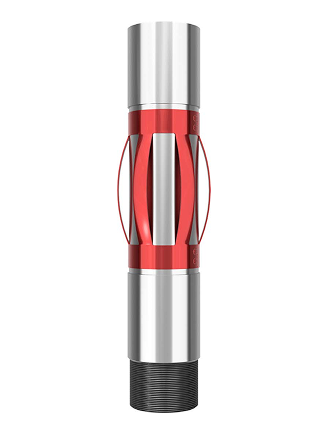
ICCS-II CENTRALIZER SUBS
ICCS-II CENTRALIZER SUBS
ICCS-II centralizer subs are designed for use in the most challenging wellbore configurations where tight clearances are expected and optimal centralization is necessary. ICCS-II centralizer bodies are manufactured with an ID that matches the drift requirements and a maximum OD equivalent to the casing threads, sufficient to protect the end rings of the centralizer while running in the well.
Stage tools
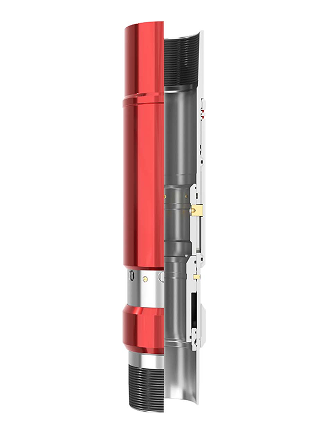
ES II™ stage cementers
ES II™ stage cementers
The ES II™ cementer is a robust multiple stage cementer with a short, single piece mandrel without threaded or welded segments. The name ES II is derived from the tool’s external sleeve dual lock ring mechanism. Multiple locking positions engage consecutively as the sleeve closes. The external closing sleeve mechanically covers the cementing ports to eliminate exposure to the open formation after drill out.
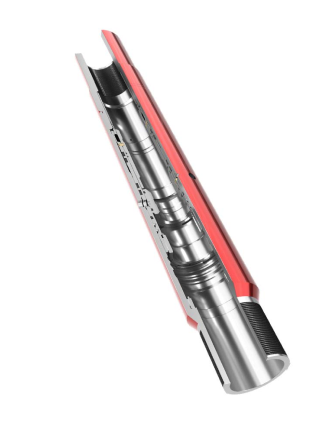
Fidelis™ stage cementer
Fidelis™ stage cementer
The Fidelis™ stage cementer facilitates the staged placement of cement during well completions and can withstand high-pressure stimulation treatments. The Fidelis stage cementer employs an internal closing sleeve along with two sets of CO2 resistant, high-pressure seals to help ensure casing integrity is restored once the cementing process is completed.
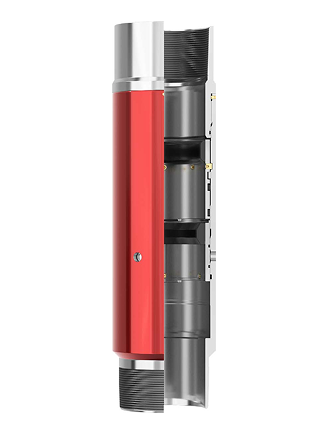
NO-Dull™ composite seat stage cementer
NO-Dull™ composite seat stage cementer
Stage cementers typically use aluminum plug and seat materials to open and close the tool during operation. However, aluminum material can impact drill bit performance during drillout. The MEGO NO-Dull stage cementer uses low-profile composite seat and plug materials rather than aluminum to minimize drillout time and help mitigate wear on the PDC and roller cone bits.
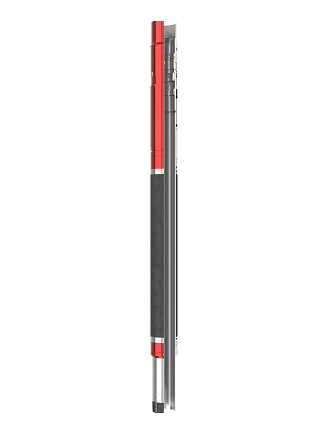
ESIPC™ stage cementer packer collar
ESIPC™ stage cementer packer collar
The ESIPC™ external sleeve inflatable packer collar is a combination of the ES (Type P or Type H) cementer and a casing inflation packer. This tool provides controlled packer element inflation through the stage-tool opening seat, which eliminates the hydraulic valving bodies normally used with inflatable packer elements. The external closing sleeve mechanically covers the cementing ports and eliminates exposure to the open formation after drill out.
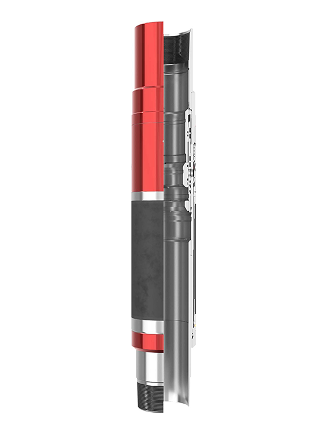
MSIPC packer collar
MSIPC packer collar
The multistage inflatable packer collar (MSIPC) is a combination of a reliable plug-operated internal sleeve cementer tool and a metal bladder casing inflation packer. This economical tool provides controlled packer element inflation through the stage-tool opening seat, which eliminates hydraulic valve bodies normally used with inflatable packer elements.
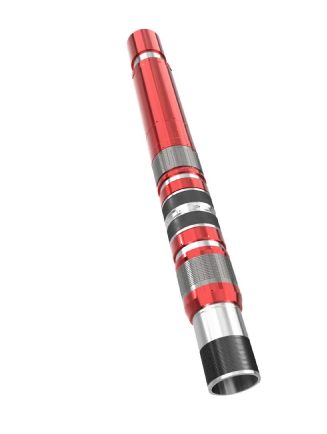
Obex GasLock® packer
Obex GasLock® packer
The Obex GasLock® casing annulus packer is a mechanical barrier that provides a high-pressure, gas-tight, casing-to-casing seal. Qualified at the industry’s strongest ISO 14310/API 11D1 V0 rating, the Obex GasLock casing annulus packer provides an enhanced seal to help mitigate annular gas migration and support the hydrostatic weight of annular well fluids above the casing packer in wells with weak formation zones. The Obex GasLock casing annulus packer can be used as a standalone packer or coupled with the V0-rated ES II HD stage cementer for multiple stage cementing operations.
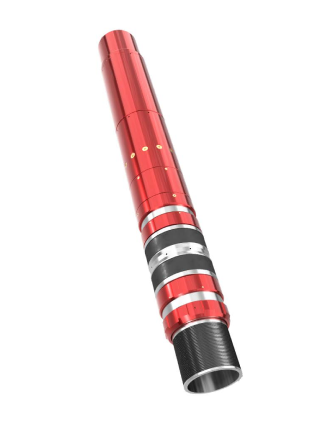
Obex IsoLock® packer
Obex IsoLock® packer
The Obex IsoLock® packer collar provides a mechanical barrier that bridges the cost and capability gap between an inflatable packer/cementer and a premium gas-tight packer and cementer run in tandem. With the integration of a packer and cementer into a single assembly, the Obex IsoLock packer collar can help minimize well integrity issues, even after a multiple-stage cementing operation is complete Built on the MEGO gas-tight Obex GasLock V0-rated packer design, the Obex IsoLock packer collar provides ISO 14310/API 11D1 V3-rated pressure- holding capacity and increased reliability compared to inflatable packer options.
Specialty tools
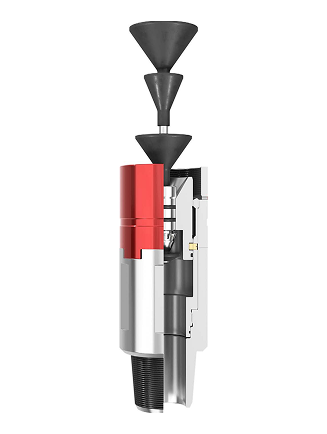
BHKA™ plug setting disconnect tool
BHKA™ plug setting disconnect tool
The bottomhole kickoff assembly (BHKA) disconnect tool helps place a competent cement plug on the first attempt. With a mechanical operated single-collet release system, the tool is ideal for plug and abandonment (P&A) campaigns. It can meet multiple isolation requirements in a single cement operation and is also useful to place reduced volume kickoff or sidetrack cement plugs. The tool is combined with a sacrificial tailpipe (aluminum, fiberglass, or steel) and minimizes swab of the cement plug while the work string is POOH.
AirGlide™ floatation collar
AirGlide™ floatation collar
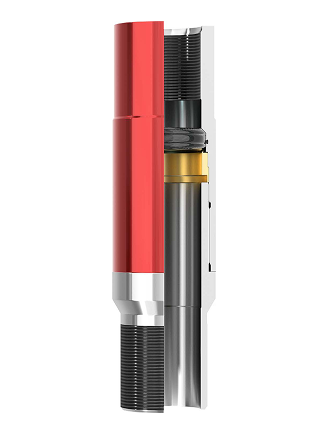
The AirGlide™ casing floatation collar lowers drag and frictional forces to allow casing to get to bottom faster. Because the AirGlide floatation collar uses an innovative glass disk rather than ceramic components, there is no risk of plugoff or damage to float equipment and the need for a debris catcher is eliminated.
Foam wiper balls
Foam wiper balls
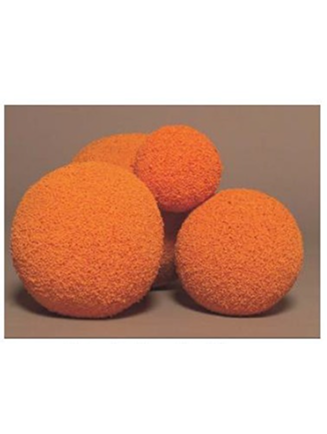
Foam wiper balls are designed to wipe clean the most challenging drillpipe or tubing ID configurations. Often used with cement plug placement and after inner string cement operations, these wiper balls deform and adjust to the inner geometry of the string’s multiple inner dimensions. This allows efficient fluid film wiping, minimizes contamination with displacement fluid, and helps ensure minimum cement sheath remains when displacement wiper darts are not used.
External Casing Packer ECP - Type I
External Casing Packer ECP - Type I
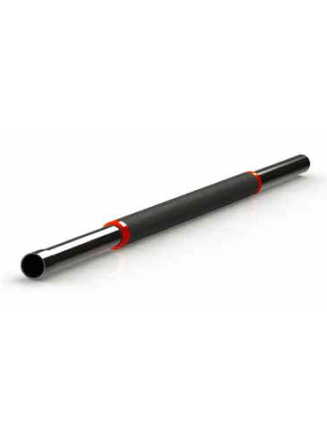
The ECP Type I is run as an integral part of the casing string and inflated to provide an annular seal between the casing and open hole or previous casing string. It can be inflated by applying pressure to the casing after a plug bump or by using an inflation tool run on pipe. The ECP is constructed utilizing the unique TAM slat element, a fully reinforced design mounted on a pup joint of API casing with threads and weight matching the casing string.